
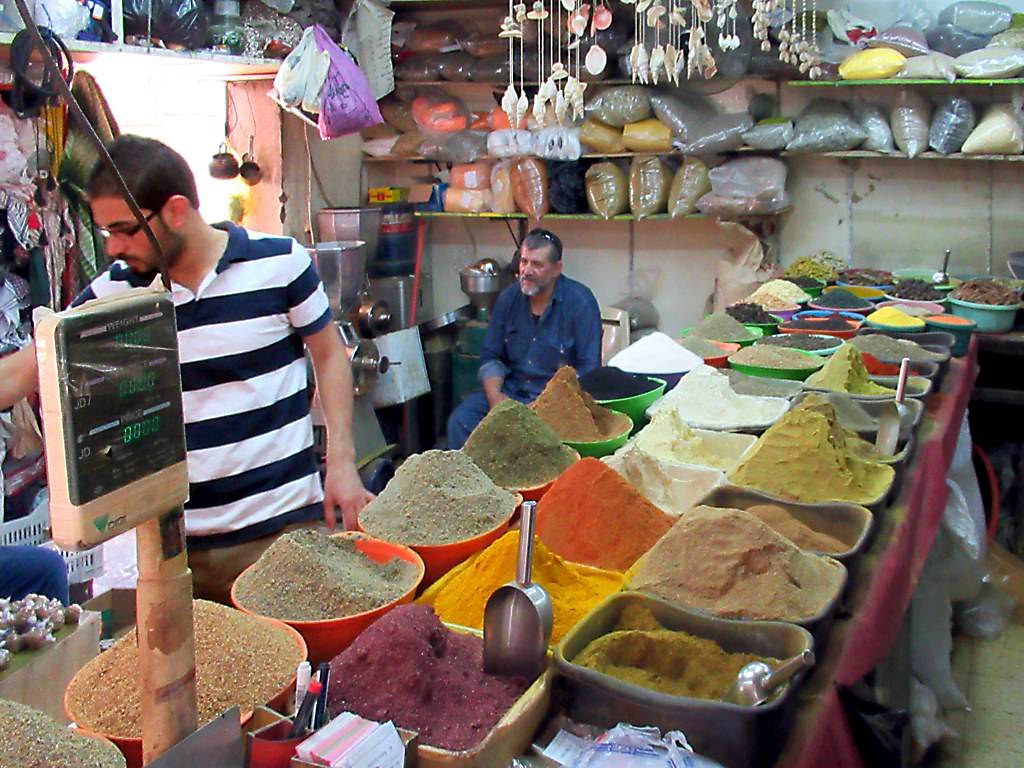
The Middle East remains in a volatile phase, and the most important story is not only military escalation but the pressure it puts on civilians, supply routes, health systems and humanitarian access. This briefing looks at food prices, shipping routes and regional supply chains, with a focus on the Middle East.
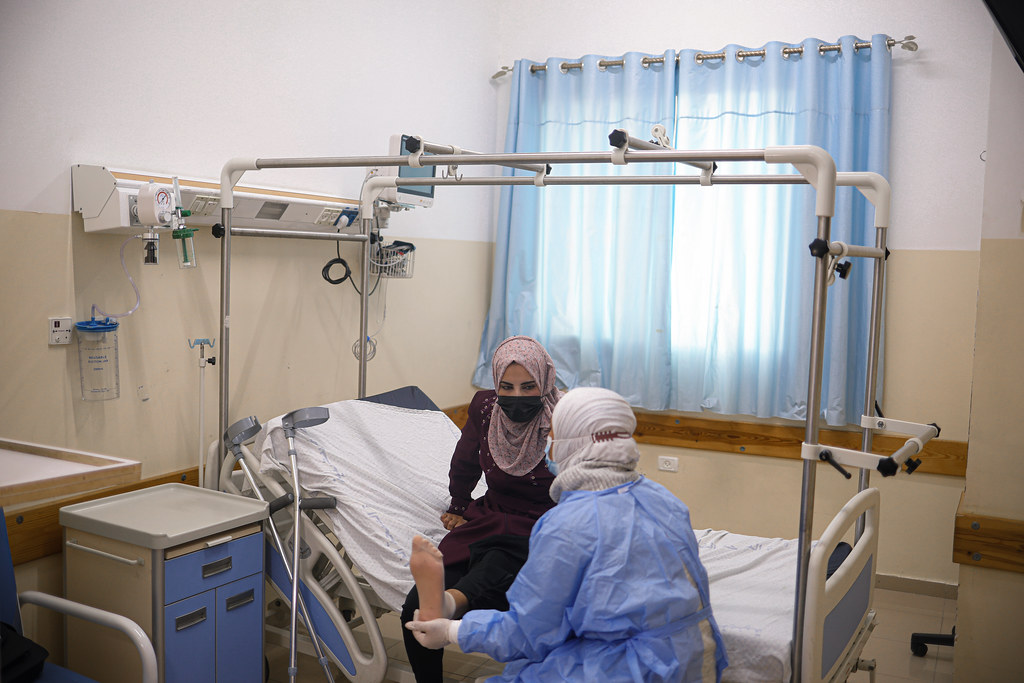
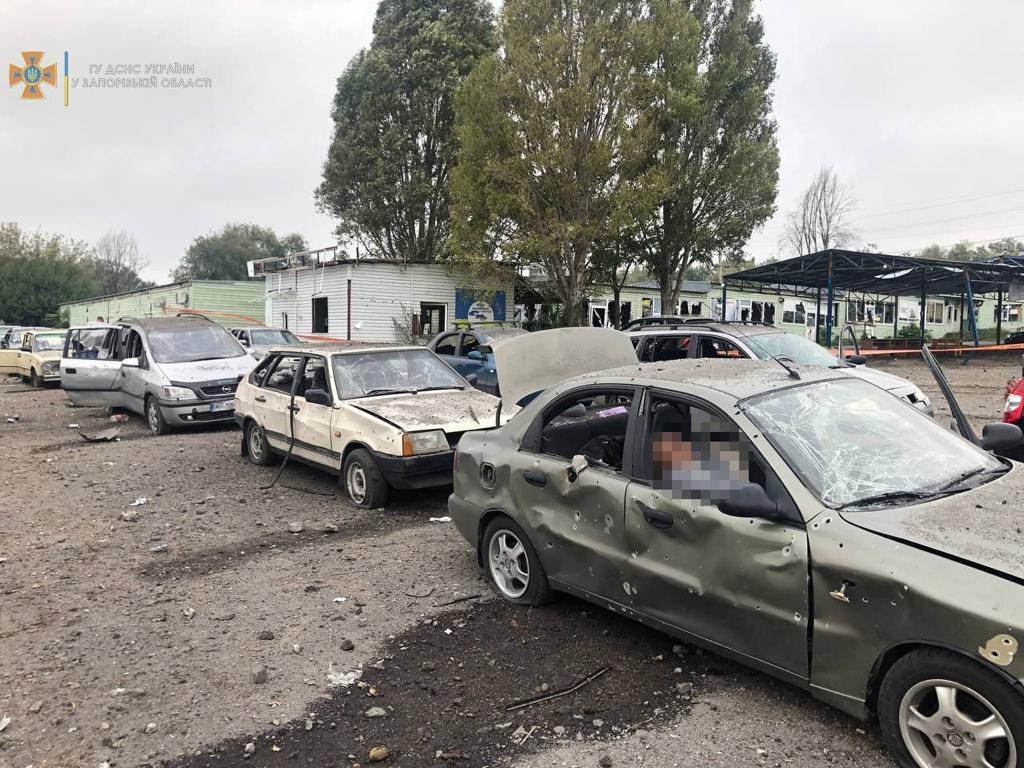
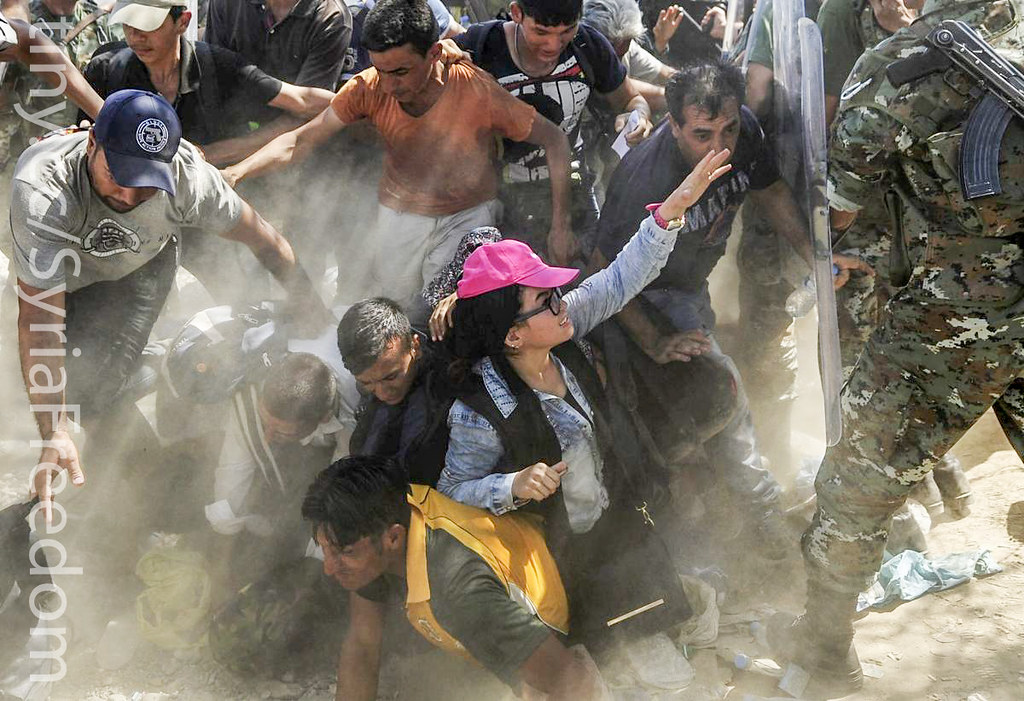
Recent UN reporting points to a region where displacement, damaged infrastructure and restricted movement are shaping daily life. OCHA’s 1 May 2026 update on the occupied Palestinian territory documented continuing humanitarian constraints in Gaza and the West Bank, while UNHCR describes a wider Middle East emergency involving cross-border displacement and urgent protection needs.
For readers following the region from a technology and policy angle, the practical takeaway is that crisis response increasingly depends on logistics data, satellite imagery, communications resilience, fuel supply tracking and digital coordination between humanitarian agencies. The systems behind aid delivery are now as important as the headlines about diplomacy.
The risk ahead is that prolonged instability normalizes emergency conditions. Food prices, medical access, schooling, water infrastructure and cross-border trade can all be affected long after the loudest phase of a conflict fades from international attention. That is why credible public data from UN agencies and humanitarian organizations remains essential.
Sources and further reading: OCHA occupied Palestinian territory update, 1 May 2026; UNHCR Middle East emergency; UN Geneva on Lebanon displacement; European Commission humanitarian aid announcement.











Leave a Reply